


What to Do With Your 1oz Dropper Bottle After You’ve Used All Your Oil

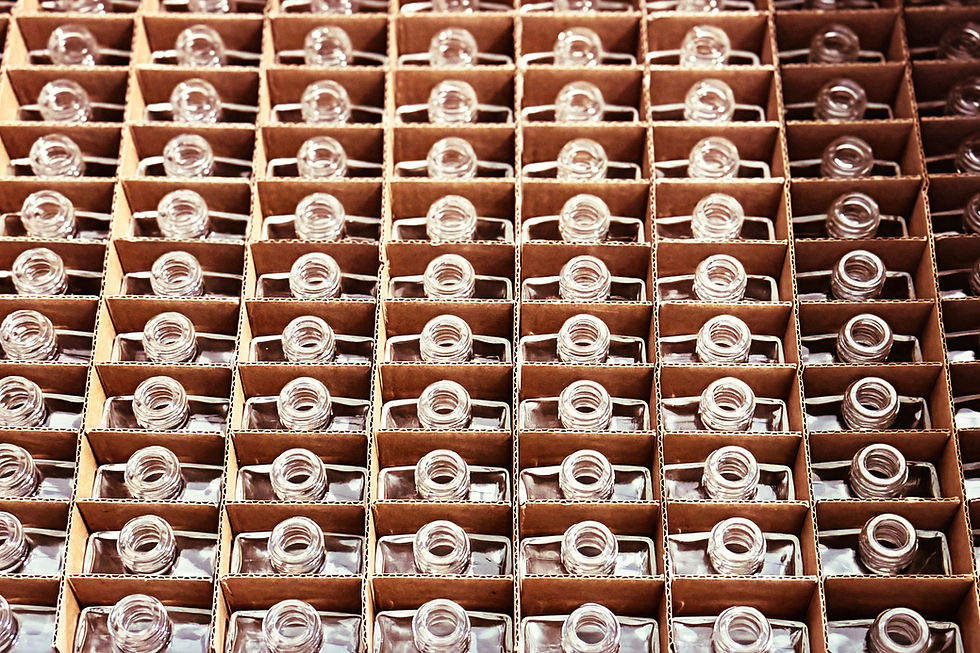
If you’ve finished a 1oz dropper bottle of my oil, don’t toss it. Below are practical, high-value ways to reuse them plus the cleaning and safety notes that matter when droppers have held oils.
Why Reuse Dropper Bottles?
A 1oz glass dropper bottle is ideal when you need:
Precise, mess-free application (a few drops at a time)
Better control than a wide-mouth jar
Small batch storage for blends, samples, or specialty liquids
Reusing also reduces waste and keeps good packaging in circulation.

First: Clean It the Right Way (Especially After Oils)
Because these bottles previously held oils, a quick rinse usually isn’t enough. Here’s a reliable method:
Cleaning Method (Works for Most Non-Food Reuses)
Soak in hot water + dish soap
Scrub with a bottle brush (as much as you can reach)
Rinse thoroughly
For oily residue: rinse with a small amount of isopropyl alcohol, then rinse again
Air dry fully (cap off) before refilling
Important Note About Droppers
If the bottle held essential oils, the rubber bulb and pipette can retain odor and residue. For “clean” uses (like facial blends or gifting), consider reusing the glass bottle but replacing the dropper top.

High-Value Reuse Ideas
1) Personal Care and Grooming
These bottles shine for daily routines where you only need a few drops:
Beard oil blends
Cuticle oil (fast, clean application)
Scalp oil blends for targeted use
Facial oil (simple mixes like squalane + a few drops of vitamin E)
Aftershave or pre-shave oil (if your skin tolerates oils)
Tip: Label the blend and date so you know what you made and when.
2) Home and Shop Uses
If you love “just enough” application without spills, this category is a win:
Super glue / CA glue or CA accelerator (label clearly; keep away from kids)
Tool/knife oil or light machine oil for small applications
Precision lubricant for squeaky hinges or tight mechanisms (controlled drops)
Marking dye for layout work (very small amounts—keep it clearly labeled)
Practical caution: Avoid filling with harsh solvents unless you’re confident the seals can handle it.
3) Crafts and Scent Projects
Dropper bottles are excellent for small creative batches:
Fragrance oil blends (for diffusers or wool dryer balls)
Alcohol inks or dyes for small projects
Pigment suspensions for resin work (only if you can clean them thoroughly afterward)
Craft note: once you dedicate a bottle to dyes or pigments, it’s usually best to keep it in that lane permanently.

Business-Ready Reuses (If You Make or Sell Products)
If you’re a maker, these bottles are perfect for:
Sample sizes (beard oil, face oil, fragrance blends)
“Try-me” kits (3–5 bottles) with printed batch/date labels
Packaging upgrades that make a big difference:
Swap the dropper top for a treatment pump, fine mist sprayer, or phenolic cap
Add tamper-evident shrink bands if you’re gifting or selling
Reminder: cap compatibility depends on neck size (commonly 18-400 or 20-400), so match your bottle’s thread/finish before ordering replacements.
Safety and Practicality (Don’t Skip This Part)
A few habits make reuse safer and easier:
Label everything (contents + date). Small bottles are easy to confuse.
Store away from light if using oils (amber bottles help).
Avoid food/ingestion uses unless you can sanitize thoroughly and you are certain the prior contents were food-safe.
Avoid harsh solvents (acetone, lacquer thinner) unless the bottle is rated and you accept potential seal degradation.


Comments